Scoping a Vacuum Excavation Job
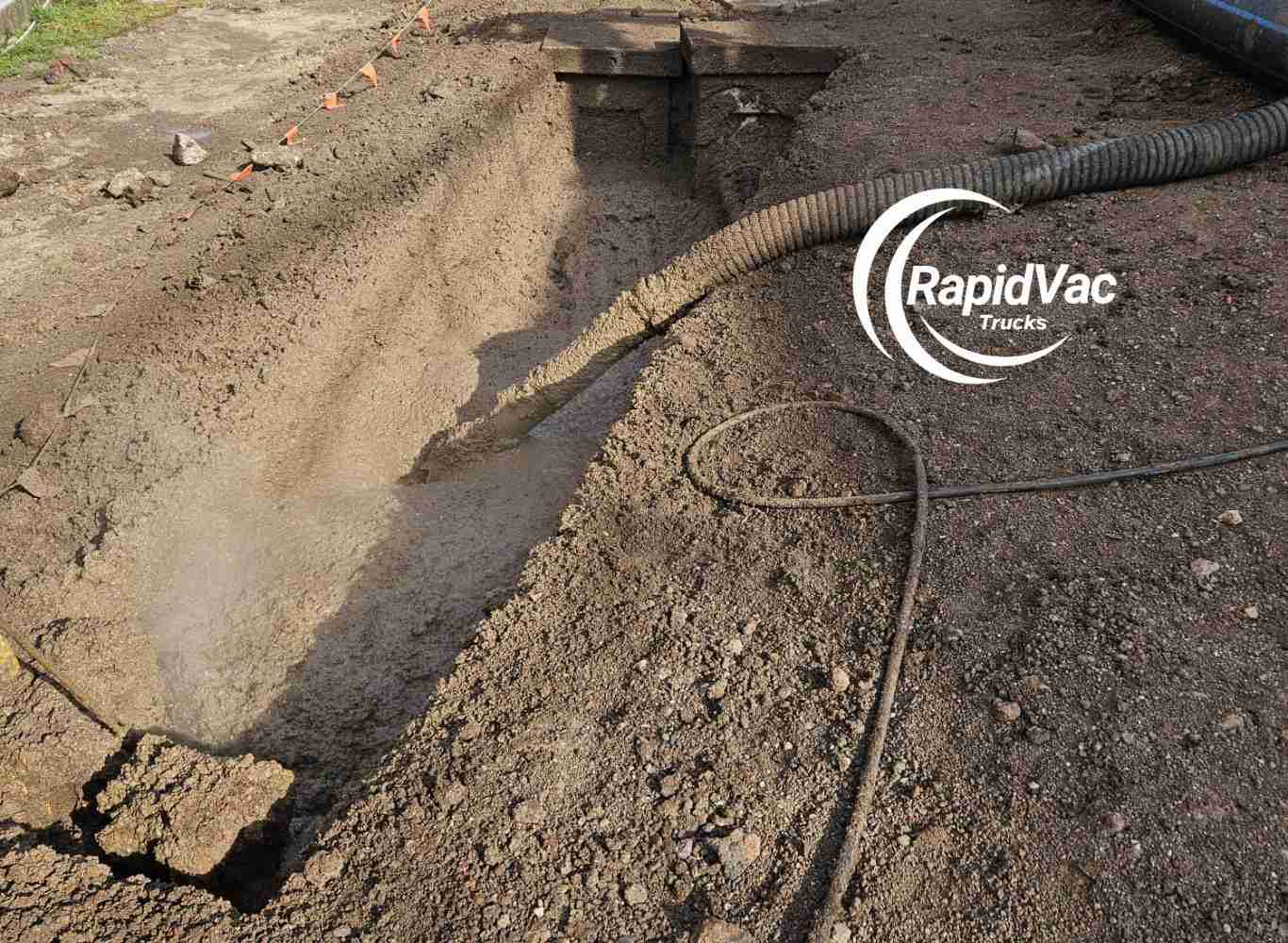
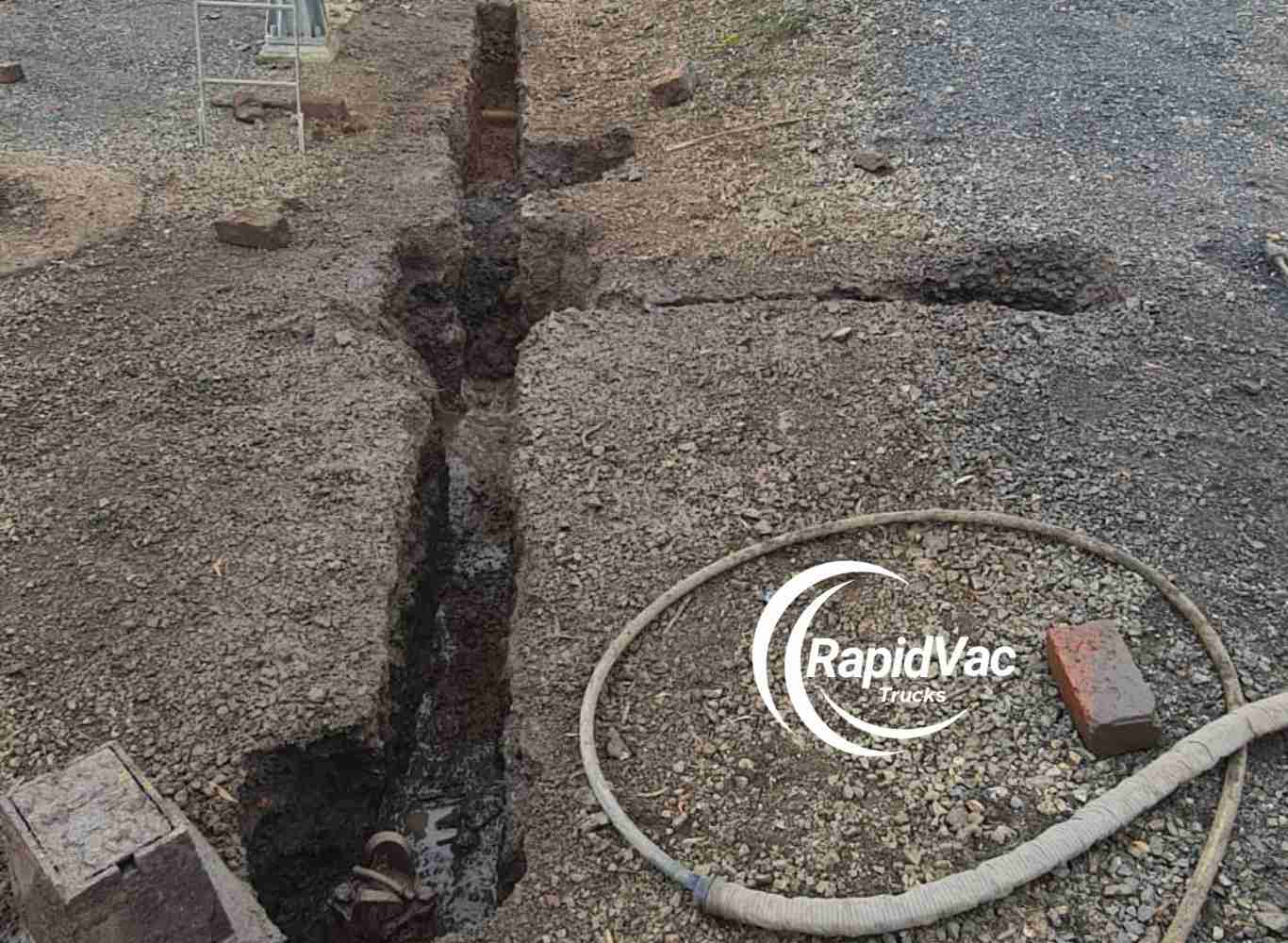
Vacuum excavation is scoped by the task: what needs removing, how much, from where, and what happens to the spoil. Pressurised water loosens the soil and suction lifts it into the truck, which suits controlled digging near services and in tight spots. It doesn't make every job risk-free. BYDA's August 2022 Best Practice Guide warns that hydro vacuum excavation can still damage assets.
Which task do you need?
- Digging and soil removal: slot trenches, pilot holes, potholes, and pole or sign footings are vacuum excavation.
- Exposing services before other work: see non-destructive digging for planning around plans, locating and asset-owner conditions.
- Water, slurry or liquid waste only: if nothing needs digging, see liquid waste removal.
- Holes that are already bored: cleaning loose spoil and water out of drilled pier holes is pier hole cleaning.
What affects the scope and estimate
The Sydney team can discuss hourly rates and a job estimate. These factors shape how long a job takes:
- The ground and material: sand, clay, fill, rock, roots or water.
- The size of the job: number of holes, trench length and depth.
- Access: where the truck can park, the distance to the dig, the hose route and any height limits.
- Spoil and slurry: how much is collected and where it has to go.
- Timing: after-hours work, deadlines and the trade that follows.
Excavated slurry is a waste that has to go somewhere. NSW EPA's Waste Classification Guidelines allow liquid and solid fractions to be separated and the solids assessed further, so tell the team if the ground may be contaminated or contains fill.
Plans and information to send
Share underground service plans and locating results before the job. SafeWork NSW guidance is to give that information to whoever does the excavation. Then call (02) 5302 6020 24/7 or send the scope, photos and site plans through the contact form. For a civil project checklist, read vacuum excavation on civil construction projects.