Planning Non-Destructive Digging Near Underground Services
Non-destructive digging exposes buried services with water or air and a vacuum, so the crew can see a service before excavation continues. The name describes the method, not a guarantee. BYDA's August 2022 Best Practice Guide warns that hydro vacuum excavation can still damage assets, so planning and care still matter.
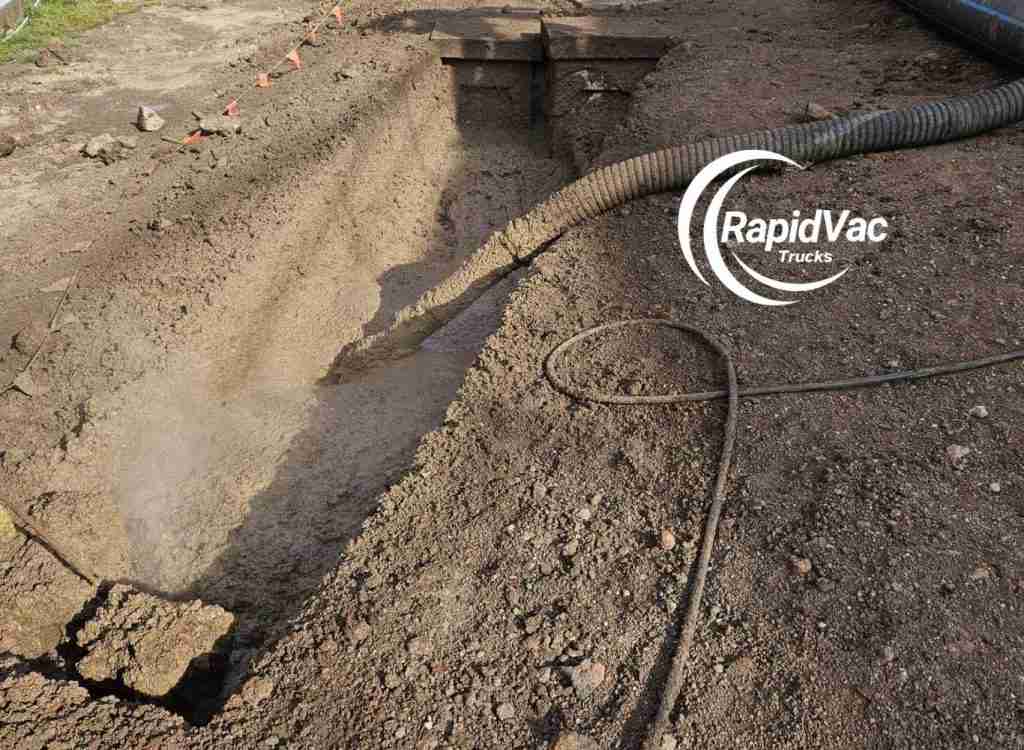
Potholing, daylighting and slot trenching
Potholing and daylighting both mean exposing a service at a chosen point to confirm its position, depth and type. Slot trenching opens a narrow trench, often to check for services crossing a line or to lay a new one. Tell the team which you need and how many points or metres are involved.
Plans and locating come first
Before NDD starts, get the underground service information for the site. SafeWork NSW guidance is to obtain it for the work site and adjacent areas and give it to whoever does the excavation. A free BYDA enquiry is the usual starting point, and Sydney Water asks you to define the dig site accurately so the plans cover the right area.
Plans indicate that an asset is present, not its exact position. Service locating and ground penetrating radar can help mark likely service positions on the ground. NDD then confirms them by exposing the service.
Follow the asset owner's conditions
Each asset owner can set its own rules for work near its network. BYDA's 5Ps guidance says to pothole only if permitted and by the method the owner specifies. Near electricity cables, Ausgrid's NS156 makes the excavation method depend on the cable's operating voltage and the planned separation. Send any conditions from your plans pack with the job details.
Access and site limits
NDD trucks work through a hose, so the truck needs a safe place to park within reach of the dig. Steep driveways, low structures, long hose runs and restricted hours all affect the job. The site's own safety controls, permits and traffic management stay with the project team.
What to send for an estimate
- The site address and dig locations, marked on a plan or photo.
- The number of potholes or length of slot trench, and depth if known.
- BYDA plans, locating results and asset-owner conditions.
- Known ground conditions, such as fill, clay, rock or water.
- Truck parking, hose route and access hours.
- When the work is needed and which trade follows.
The Sydney team operates 24/7. Call (02) 5302 6020 to discuss the job, hourly rates and an estimate, or send plans and photos through the contact form.
Planning guides: hydro excavation for plumbers and vacuum excavation on civil projects. For soil removal, slot trenches and pole holes, see vacuum excavation.