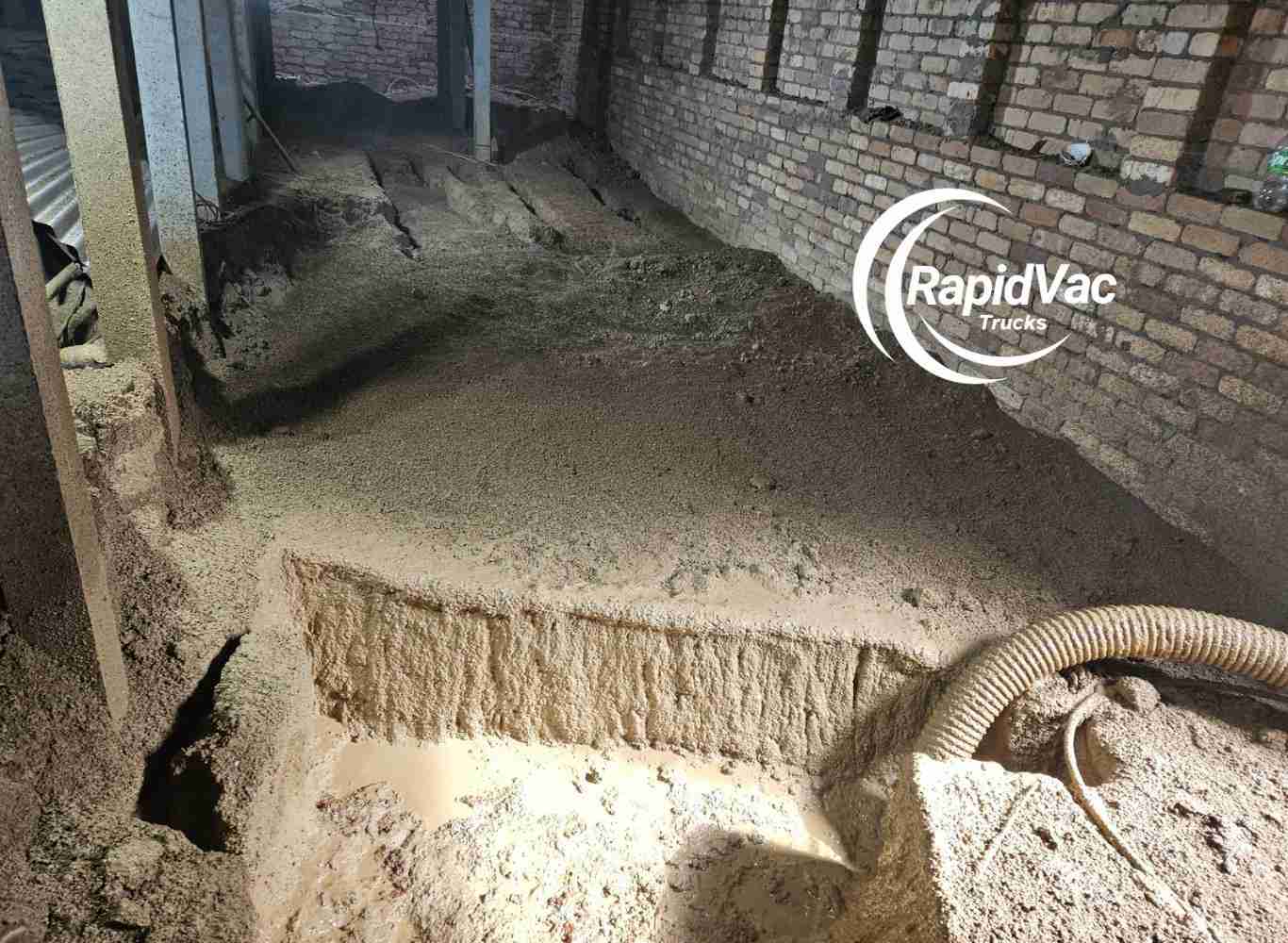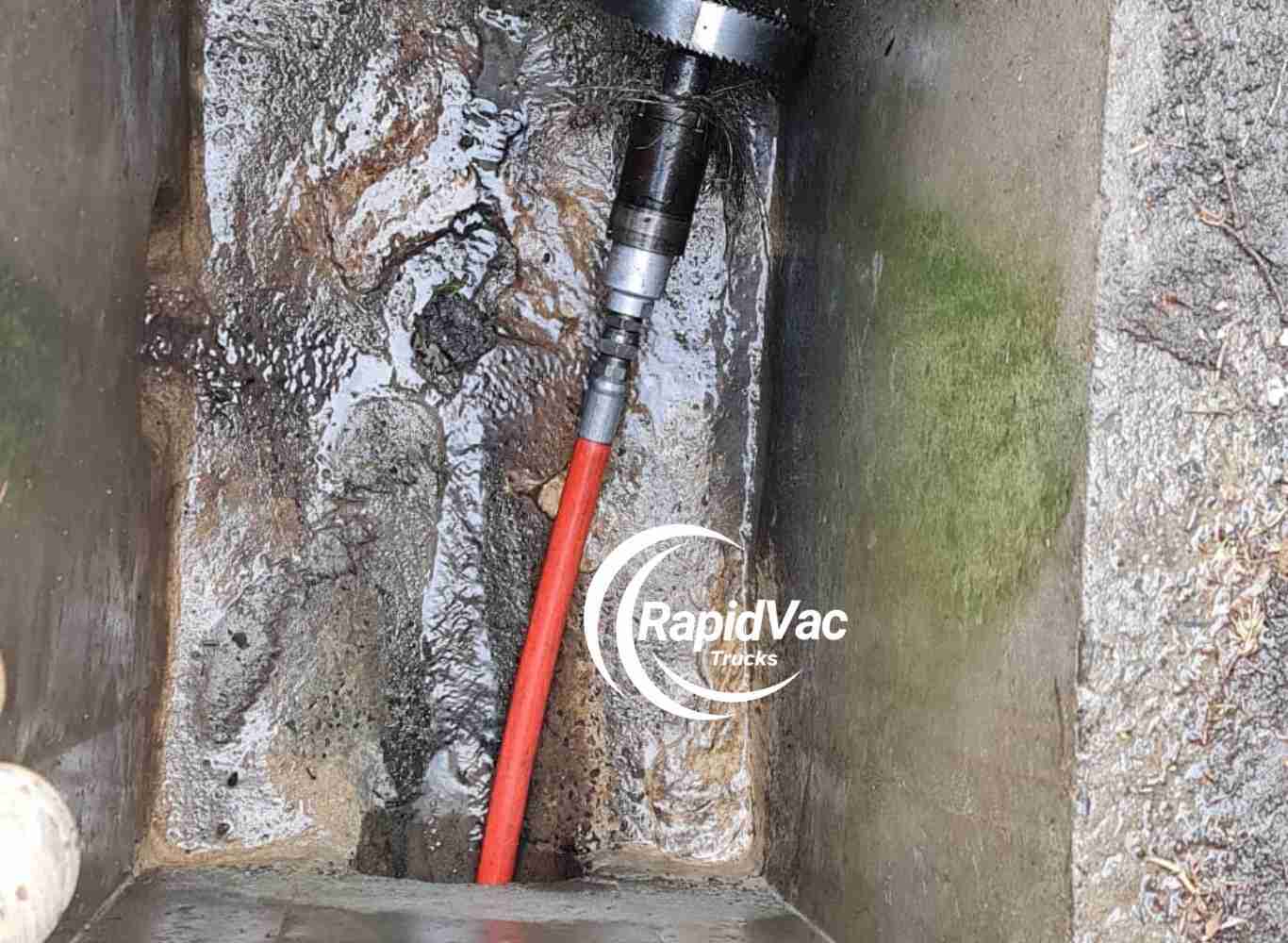

Plumbers use hydro excavation to expose existing pipes and nearby services before a connection or repair, so the dig is guided by what is actually in the ground rather than by plans alone. Pressurised water loosens the soil and a vacuum lifts it into the truck, keeping the opening small around buried assets.
That lowers the risk of costly pipe damage. It does not remove it: BYDA's August 2022 Best Practice Guide warns that hydro vacuum excavation can still damage assets. Good information and a careful operator still matter.
What is hydro excavation and how does it help on a plumbing job?
On a plumbing job, hydro excavation exposes a pipe, junction or boundary point so the plumber can see it, measure it and work on it. It is one form of non-destructive digging, and BYDA's 5Ps guidance lists hydro vacuum extraction as one way to pothole near services where the asset owner permits it. For the method and what affects the scope, see hydro excavation services in Sydney.
Locating, exposing, cleaning and repairing are separate jobs
Sort out which job you need before booking:
- Locating: finding where a pipe or service probably runs, using plans and detection equipment. See service locating.
- Exposing: digging down to confirm a service's position and depth. This is where hydro excavation fits.
- Cleaning: clearing a blocked or silted line or pit. That is drain cleaning, not excavation.
- Repairing or connecting: the plumbing work itself, done by the plumber once the pipe is exposed.
Relining, CCTV inspection and water main repairs are separate work. Hydro excavation can open the ground for them, but it does not include them.
4 common plumbing jobs where exposure comes first
1. Finding sewer and stormwater pipes before a new connection
Before connecting, the plumber needs the existing pipe's position and depth. Hydro excavation can open a small hole at the connection point so the pipe can be seen and measured.
2. Uncovering junctions before relining or CCTV work
Relining and camera inspection often need access at a junction or riser. Exposing it with water and suction keeps the opening small. The relining or inspection is booked separately.
3. Repairing or replacing a water service
When a property's water service has to be cut and replaced, the plumber needs room around the pipe and any services beside it. Tell the operator what the pipe is made of, if known, and whether it is live.
4. New builds and boundary connections
On new builds, the connection point at the boundary often has to be found and exposed before the plumber can connect. Sydney Water asks people to define the dig site accurately when lodging a free BYDA enquiry, because the plans only cover the area marked. Mark the boundary area, not just the street address.
What if the plans are missing or don't match the site?
Stop and get the right information before anyone digs. SafeWork NSW guidance is to obtain underground service information for the site and adjacent areas and give it to whoever does the excavation. Plans indicate that an asset is present, not its exact position, and potholing should only go ahead by a method the asset owner permits.
Electricity cables can carry their own rules. Ausgrid's NS156 makes the excavation method near its cables depend on the operating voltage and planned separation. If what you find on site conflicts with the plans, contact the asset owner before continuing.
Less surface damage for the property owner
Because hydro excavation works through a small opening, there can be less lawn, garden or paving to reinstate than with a machine dig. The size of the opening still depends on the job, and concrete or pavers may need cutting first.
What to send before booking a vac truck for plumbing work in Sydney
- The address and the exact dig location, marked on a plan or photo.
- What you need exposed, plus the pipe type and approximate depth if known.
- BYDA plans, locating results and any asset-owner conditions.
- Where the truck can park, the distance to the dig, and any gates, steps or overhead obstacles.
- Whether the area is wet or the line is live.
- Your timing and the trade that follows.
Call the Sydney team on (02) 5302 6020 24/7. They attend urgent and planned jobs around the clock and can talk through the job, hourly rates and an estimate. You can also upload photos and site plans with your job details and the team will call you back as soon as they can. For other truck services, see the vac truck hire options on the home page.