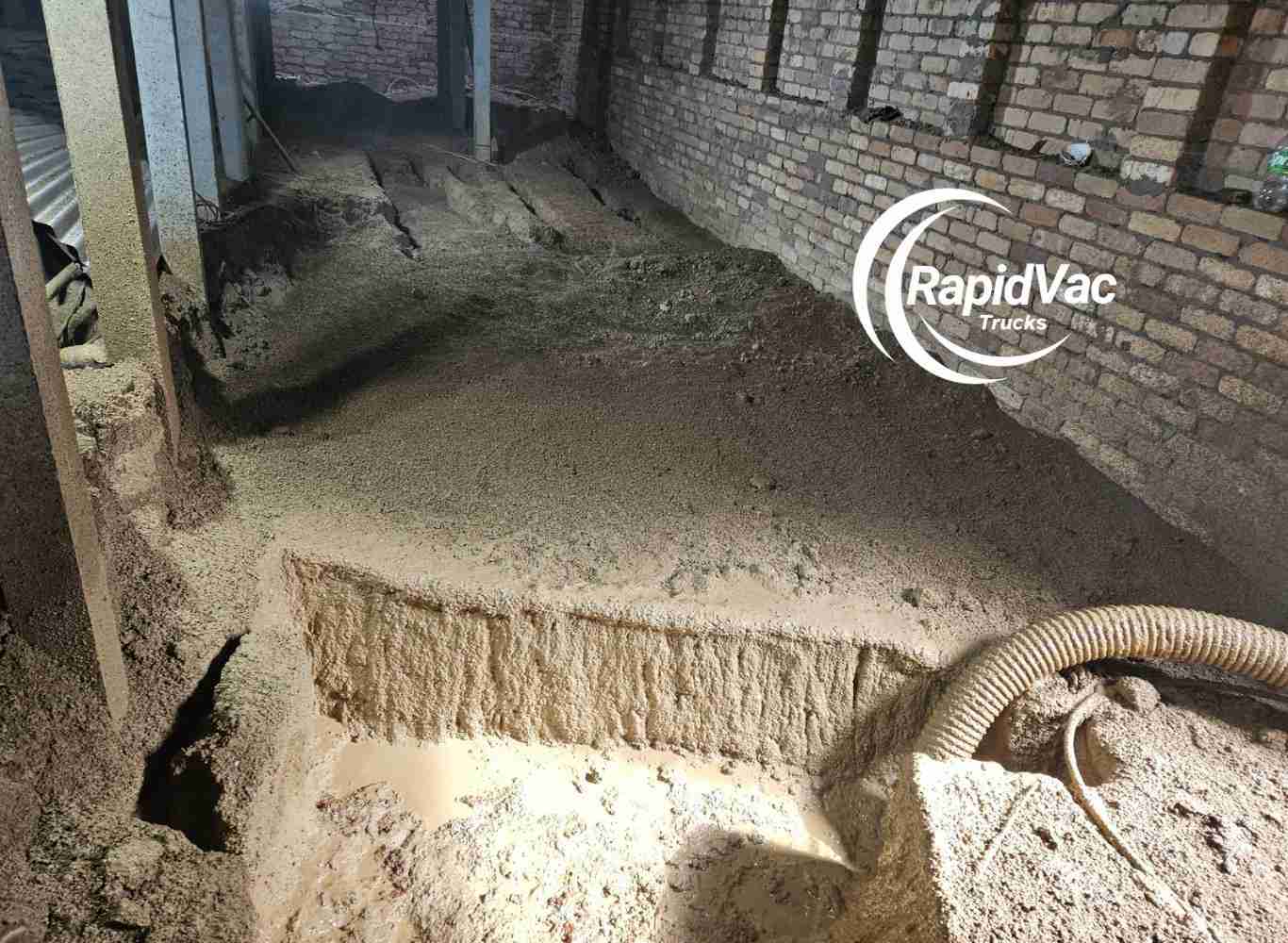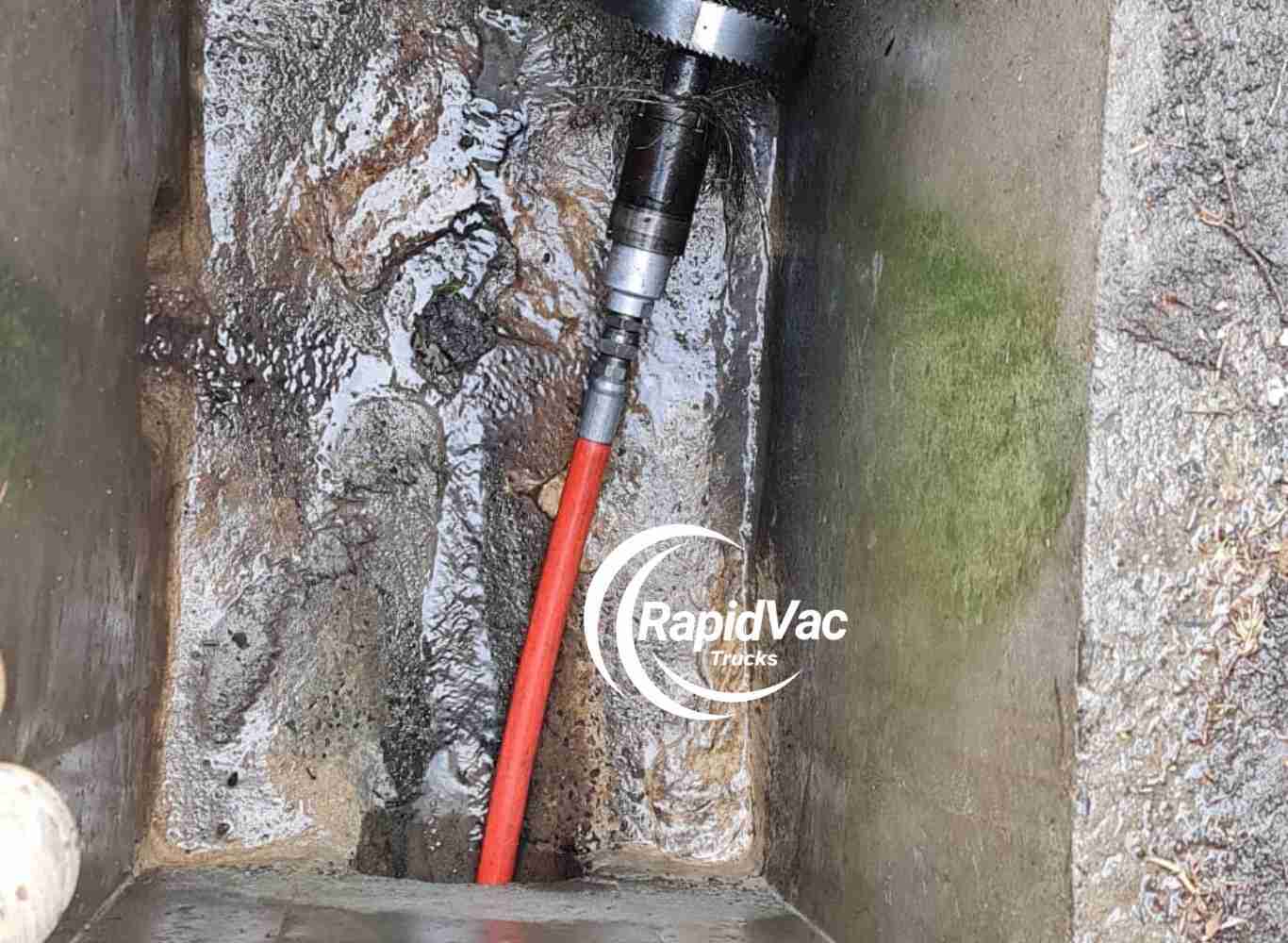

Vacuum excavation is used on civil projects to expose buried services and remove soil in a controlled way before the next stage of work. It loosens the ground with pressurised water and lifts the spoil into a truck by suction, so the crew can see what is in the ground before machines, drills or new pipes go in.
It does not replace plans, locating, asset-owner conditions or the project's safety planning. Below are five civil project types where vacuum excavation can be part of the plan, followed by the information the operator needs before the truck arrives.
1. Roadworks and pavement upgrades
Kerb replacements, pavement widening and stormwater upgrades often cross existing services under the road. Before saw-cutting or machine excavation, the project team may need to confirm where those services sit at set points along the work. Vacuum excavation can open small inspection holes at those points. Plan where the truck will park, how the work area is controlled, and where the spoil and water will go.
2. Telecommunications and NBN work
Before directional drilling or trenching for fibre or conduit, crews usually need to confirm where existing services cross the new alignment. Vacuum excavation can expose those crossings so the drill path or trench is set out against what has been found, not only what the plans show. Check the asset owner's conditions first. BYDA's 5Ps guidance says to pothole only if permitted, using hand digging, hydro vacuum extraction or the method the asset owner states.
3. Rail and transport corridors
Work in or near rail and transport corridors is controlled by the corridor owner's access and excavation requirements. Those requirements decide which method is allowed, who must supervise and which approvals are needed. If your project sits in a corridor, send the corridor conditions and permits with the job details, and confirm the excavation method with the responsible engineer before booking.
4. Water and sewer upgrades
Repairs, replacements and new connections on water and sewer lines start with finding the existing pipe. Sydney Water asks people to define the dig site accurately when lodging a free BYDA enquiry, because the plans only cover the area marked. Vacuum excavation can then expose the pipe at agreed points for the contractor doing the connection or repair. If the excavation fills with water, mention it when you enquire. Removing water and sediment is a separate task, and the dewatering guide explains what to describe.
5. Urban infill and high-density sites
Redevelopment sites in established suburbs can have services from several asset owners inside a small footprint. Before piling, basement excavation or pier drilling, the project team may need to confirm where those services sit. Non-destructive digging can expose them so the surveyor or engineer can record their position and depth.
Once piers have been drilled, removing loose spoil and water from the holes is a different job. See pier hole cleaning for what that involves.
What information does the vacuum excavation operator need?
SafeWork NSW guidance is to obtain information about underground essential services for the work site and adjacent areas before excavating, and to give it to anyone engaged to do the excavation. Plans show that an asset is present, not its exact position, which is why physical exposure is used to confirm it. BYDA's August 2022 Best Practice Guide also warns that hydro vacuum excavation can still damage assets, and Ausgrid's NS156 ties the excavation method near its cables to the cable's operating voltage and the planned separation.
Send these details with the job:
- The site address and the exact work area, marked on a plan if possible.
- What needs to be exposed or removed: the number of potholes, trench length and approximate depth if known.
- BYDA plans, locating results and any asset-owner conditions. If services have not been located yet, start with service locating.
- Known ground conditions, such as fill, clay, rock or groundwater.
- Where the truck can park, the hose route to the work, any traffic or pedestrian controls, and access hours.
- Which trade follows and when the area must be ready.
Who is responsible for what?
Vacuum excavation is one task inside a larger project. Before booking, confirm who holds the permits, asset-owner approvals, traffic management and reinstatement, and who decides what happens once services are exposed. Agreeing that split early avoids gaps on the day.
How do I get an estimate?
Call the Sydney team on (02) 5302 6020 24/7 to arrange the work and talk through the scope, hourly rates and a job estimate. You can also send job details, plans or photos through the contact form, and the team will call you back as soon as they can. Ask what the estimate includes, how spoil and water will be handled, and which site conditions could change the scope.
For the full range of Sydney services, start at the vac truck hire home page.